Results
Based on your assessment
Your event has potential,
It just doesn’t feel credible yet.

This usually shows up as:
Sponsors asking basic clarification questions
Hesitation to commit, despite interest
A disconnect between ambition and presentation
01
Your Readiness Breakdown
What Sponsors
notice before they decide
Signal 01
The event concept isn’t positioned clearly enough
Sponsors can see the idea, but not the category. When an event lacks sharp positioning, it reads as familiar instead of distinct. That creates interest, but not urgency. Sponsors hesitate because they can’t immediately place it in their portfolio or explain it internally. This is not about changing your concept. It’s about articulating it so it lands instantly.
Fix
Concept Positioning
Category Framing
Signal 02
The audience and value proposition aren’t framed convincingly
You know who this event is for. Sponsors aren’t sure yet. If the audience profile and value proposition aren’t expressed with precision, sponsors assume reach is broad, intent is mixed, and ROI is uncertain. That pushes your event into conservative packages, even when the audience quality is strong. This is a perception gap, not an audience problem.
Audience Definition
Sponsor Value Framing
02
Sponsor Evaluation Reality
Sponsors decide on credibility before they decide on value.
Sponsors form a credibility judgment in under 5 minutes
They look for signals of maturity: clear positioning, coherent experience, and a brand that feels intentional. When those signals are inconsistent, they assume execution risk - even if the idea is strong.
Inconsistent brand signals reduce confidence
When visuals, messaging, and experience design don’t align, sponsors struggle to understand what they’re backing. This creates hesitation, internal debate, and conservative sponsorship decisions.
Weak presentation caps sponsor ambition
Even interested sponsors will limit budgets when an event feels underdeveloped visually or experientially. Strong brands unlock bigger conversations. Weak signals quietly cap deal size.

03
Sponsor Requirements
What Sponsors Need
Before They Take You Seriously
Signal 04
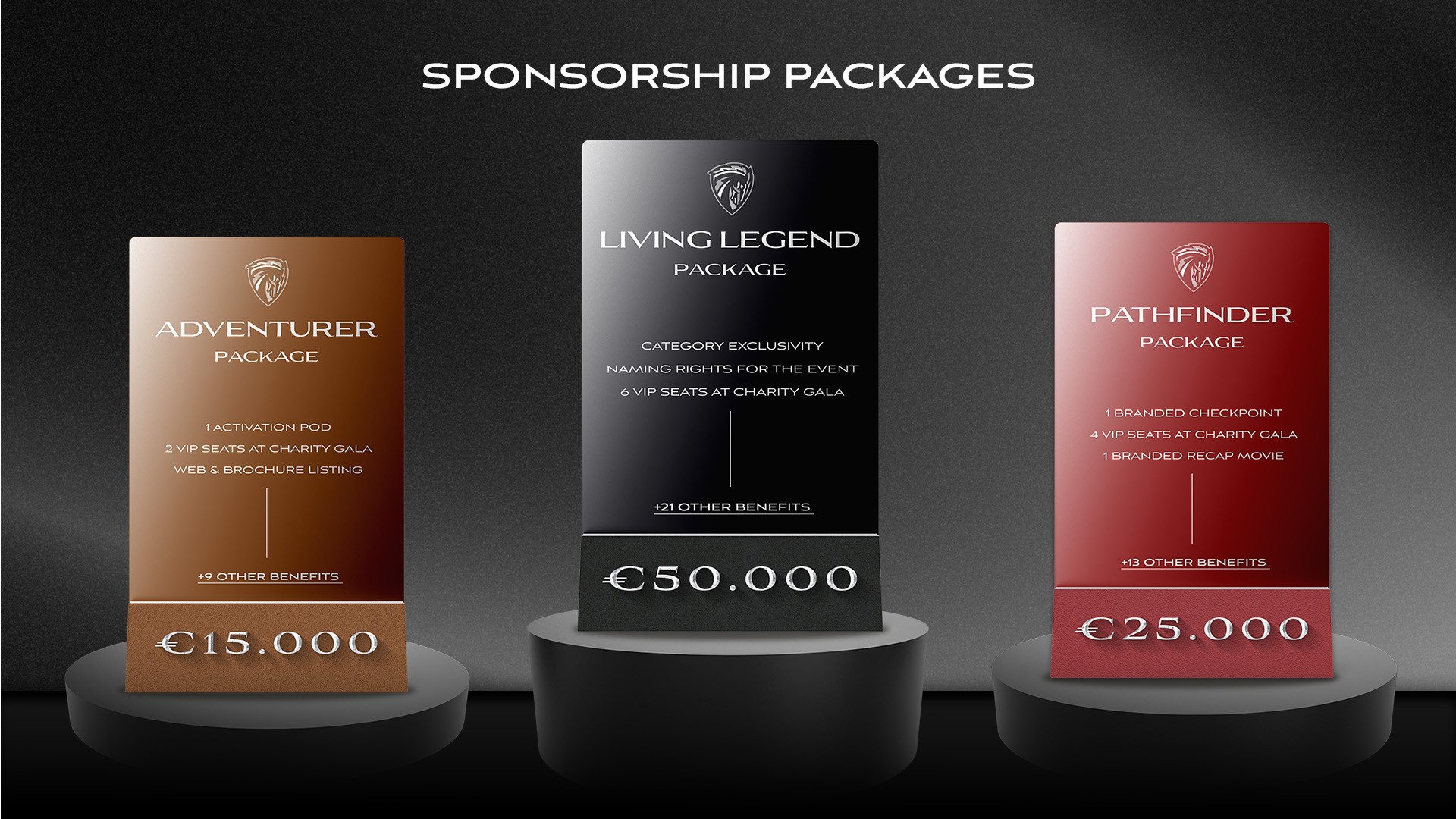
Sponsor value is not clearly packaged
Sponsors don’t evaluate ideas, they evaluate clarity. Without defined tiers, deliverables, and outcomes, value feels negotiable, risky, and easy to discount.
Offer Architecture
Tier Logic
Signal 05
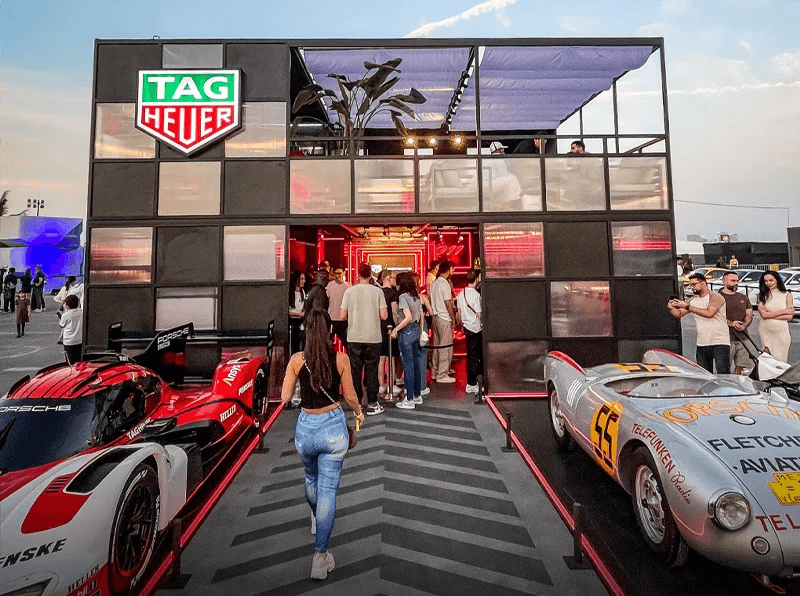
Activation value is abstract
Sponsors don’t buy logos. They buy attention, alignment, and experience. If activations aren’t visualized, value stays theoretical, and budgets shrink.
Activation Concepts
Sponsor Experience













Your Credibility Upgrade
Event Brand Foundation
A credibility system that aligns your brand, experience, and presentation into something sponsors can trust.
Delivered as a complete brand system in 10 days.


Clarify your brand promise
Your event’s promise, positioning, and value narrative are aligned, so sponsors immediately understand what this event stands for and why it matters.

This system prevents credibility gaps that quietly limit sponsor confidence and deal size.
Perceived amateurism
Inconsistent brand signals make sponsors question maturity and reliability.
Trust erosion
When visuals and messaging feel improvised, confidence drops instantly.
Brand misalignment risk
Without a clear experience framework, sponsors fear off-brand exposure.



Outputs included
Identity & Positioning Strategy
Sponsor deck
Offer tiers
Landing Page
2 Activation concepts
Commercial Brochure
Concept Refinement
Brand system (full)
When these elements are missing, sponsors don’t say no. They reduce budgets, slow timelines, and deprioritize you.



















Priority Response Windows
Fast answers when sponsors ask questions or internal decisions need alignment.
Sponsor-Ready Guidance
Direction on positioning, offer framing, and what sponsors need to see before they say yes.
Post-Handoff Clarity
Continued guidance after delivery to ensure assets are used correctly and consistently.
08
Foundation Sprint
From concept to credibility,
in one focused sprint.
Diagnose
We identify where perception breaks down, unclear positioning, weak signals, or gaps that reduce trust at first contact.
Build
We design a unified brand and experience system, visual identity, narrative, and materials that read as established and intentional.
Present
You get brand and presentation assets that hold up under scrutiny, so every introduction reinforces trust instead of raising questions.
09
Comparison
Winning is in the Systems
Unstructured Event Presence
Event feels different at every touchpoint
Sponsors ask basic clarification questions
Visuals exist, but don’t align
Value sounds promising, but abstract
Brand depends on explanation, not perception
THR System
Cohesive event identity across all touchpoints
Immediate credibility at first sponsor contact
Visual and verbal language that reinforces value
Clear articulation of what the event represents
Brand foundation that supports future editions